“Weird” kitten found in the Bolivian jungle is a whole new species of cat
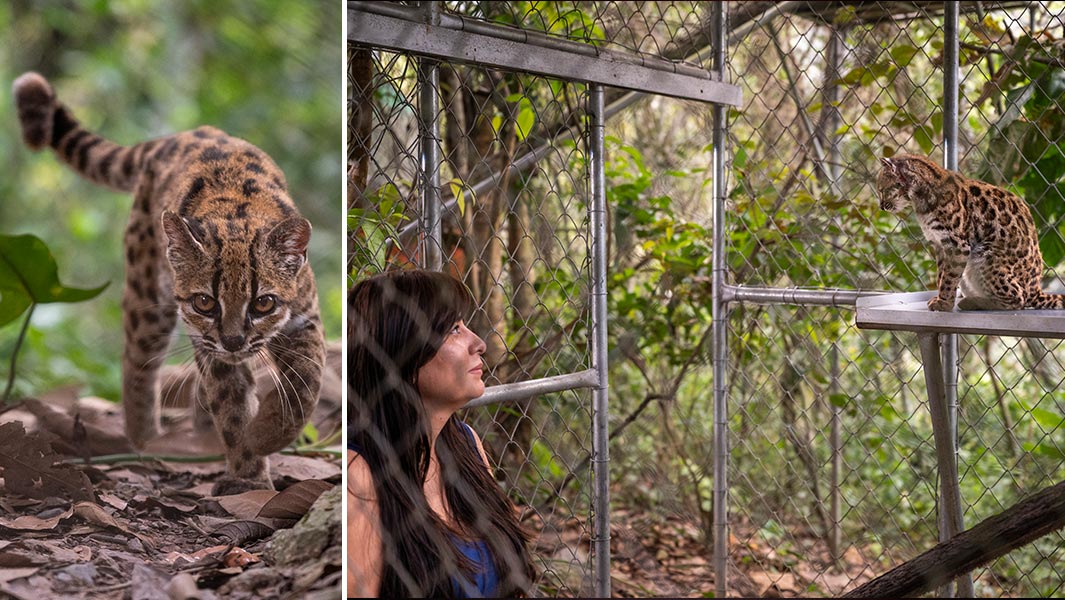
A brand-new species of cat from the tropical forests of Bolivia has recently been revealed.
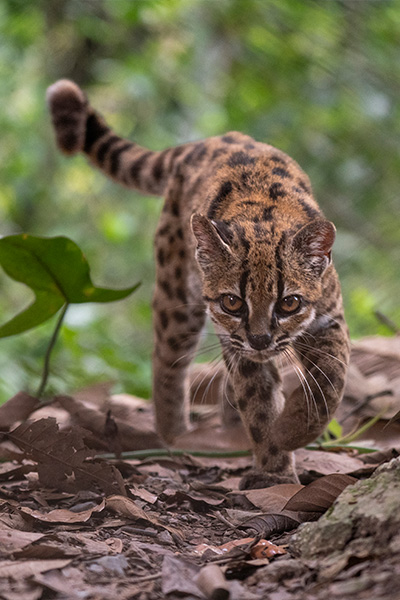
Credit: Fernando Faciole / National Geographic
The newest wild cat has been named the tilcayo, which is what local people have called them for generations. Its full scientific name is Leopardus tilcayo.
Uncovering this cat’s secret identity has been a long process which started nearly 10 years ago, and has required a LOT of detective work and teamwork.
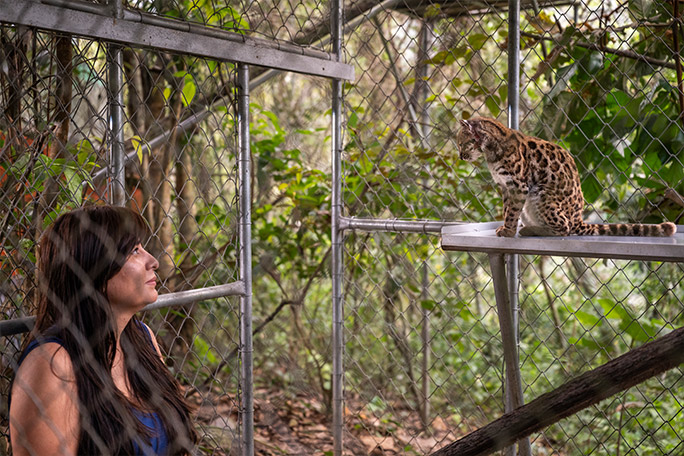
It all started in 2017 when a local man found an orphan kitten in the Yungas forest region of Bolivia and decided to adopt it. A year later, it had become apparent that this was definitely no ordinary pet cat!
Credit: Fernando Faciole / National Geographic
He decided it would be best to take the youngster to the nearby Senda Verde wildlife sanctuary. They then sent a message to expert Dr Paola Nogales-Ascarrunz, who specializes in South American felids.
DID YOU KNOW? Felids are all animals that belong to the wider cat family (Felidae) – everything from your pet tabby to tigers and lions. It is from this name that we get the word “feline”.
They told her they had been brought a “weird cat”. That was enough for the cat-mad scientist to jump in her car and drive the two-and-a-half hours to the remote rescue centre to check out their latest resident.
QUIZ TIME! How much do you know about record-breaking felines? Take this CAT QUIZ and try to get a purr-fect score!
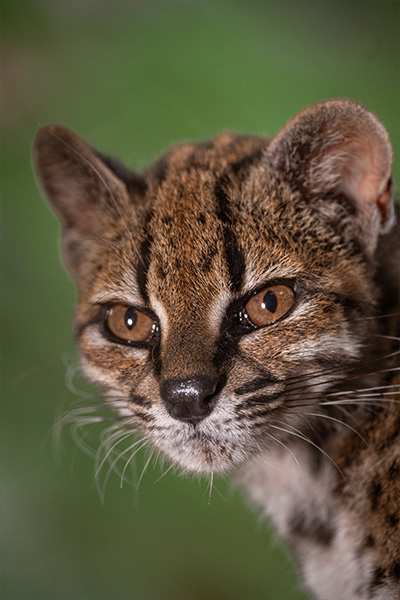
The tilcayo is a type of “tiger cat” which up until about a decade ago was believed to be a single species found across Central and South America. When Dr Nogales-Ascarrunz first met the mystery moggy, she assumed it was a member of the original species of tiger cat, Leopardus tigrinus.
Credit: Fernando Faciole / National Geographic
However, on closer inspection, biologists have started to realize in recent years that the tiger cat is not one type, but actually a family made up of several similar-looking species.
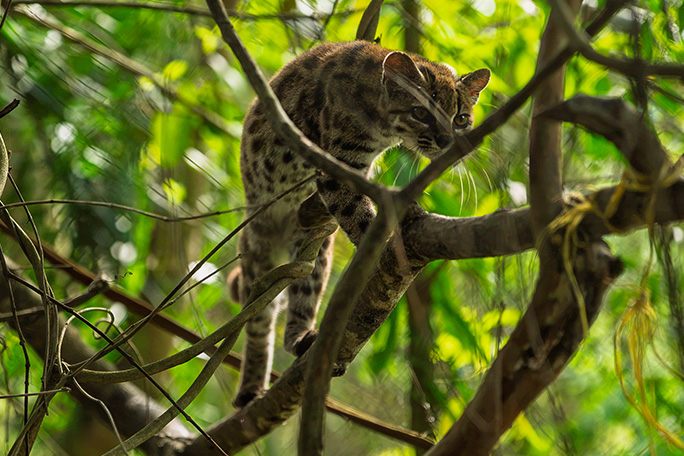
It was a couple of years after this encounter when Dr Nogales-Ascarrunz was looking at some photos she’d taken of the young cat, that something struck her as odd. The markings on its fur differed from those of other tiger cats…
Credit: Botánica Films / Emi Kondo
This was a big breakthrough moment, but it would take several more years of research, assisted by other scientists ranging from Bolivia, Brazil, the USA and as far as Belgium, to be able to definitively say the tilcayo was indeed a new species as suspected.
Dr Nogales-Ascarrunz told GWR: “L. tilcayo was essentially hiding in plain sight. Naturalists have been collecting and describing small cats in South America since the 18th and 19th centuries, but somehow this particular cat was never formally described.”
The discovery of the tilcayo (and other types of tiger cat) has largely been made possible thanks to more advanced techniques to study DNA and genes under the microscope.

Credit: Fernando Faciole / National Geographic
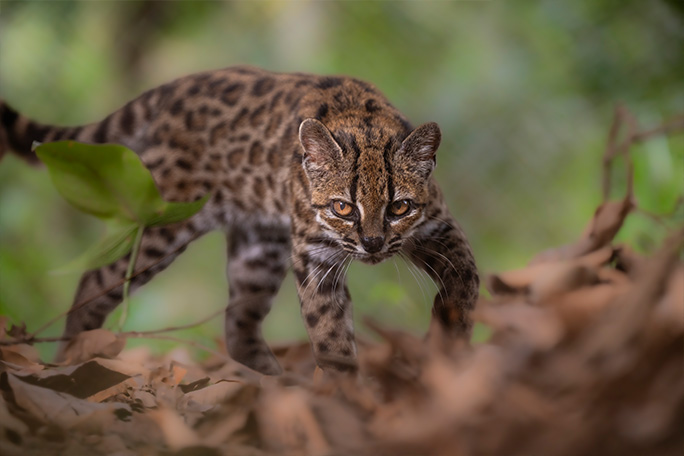
However, there are also a few tell-tale (or should that be tell-TAIL?!) physical differences that set the tilcayo apart from other tiger cats, including:
- Larger and more irregular markings
- A relatively longer, less bushy tail
- Incomplete banding on the tail
- Shorter fur
- Less distinct coat pattern
Dr Nogales-Ascarrunz and others are understandably very excited to confirm that the tilcayo is a new species, but she admitted there's still a lot that we don’t know and so much more research needs to be done.
Dr Nogales-Ascarrunz said:“We currently know of only one tilcayo individual in captivity, and we hope there will not be others. These cats belong in the wild, and our priority should be protecting their natural habitat and wild populations.
“While we know that the tilcayo occurs in the wild, we still do not know how many individuals there are. We need much more fieldwork to understand its full distribution, population density and habitat requirements.”
But although there is still much work to be done, this is still ground-breaking news that we’re delighted to celebrate.
Thousands of new species of plants, fungi and animals are recognized every year, but it’s much rarer for new mammals to come to light. And even rarer still for a new member to join the cat family tree.
Credit: Fernando Faciole / National Geographic
So we think this VIP (that is, Very Important Puss) very much deserves its moment in the GWR spotlight. Tilcayo, you are Officially Amazing!